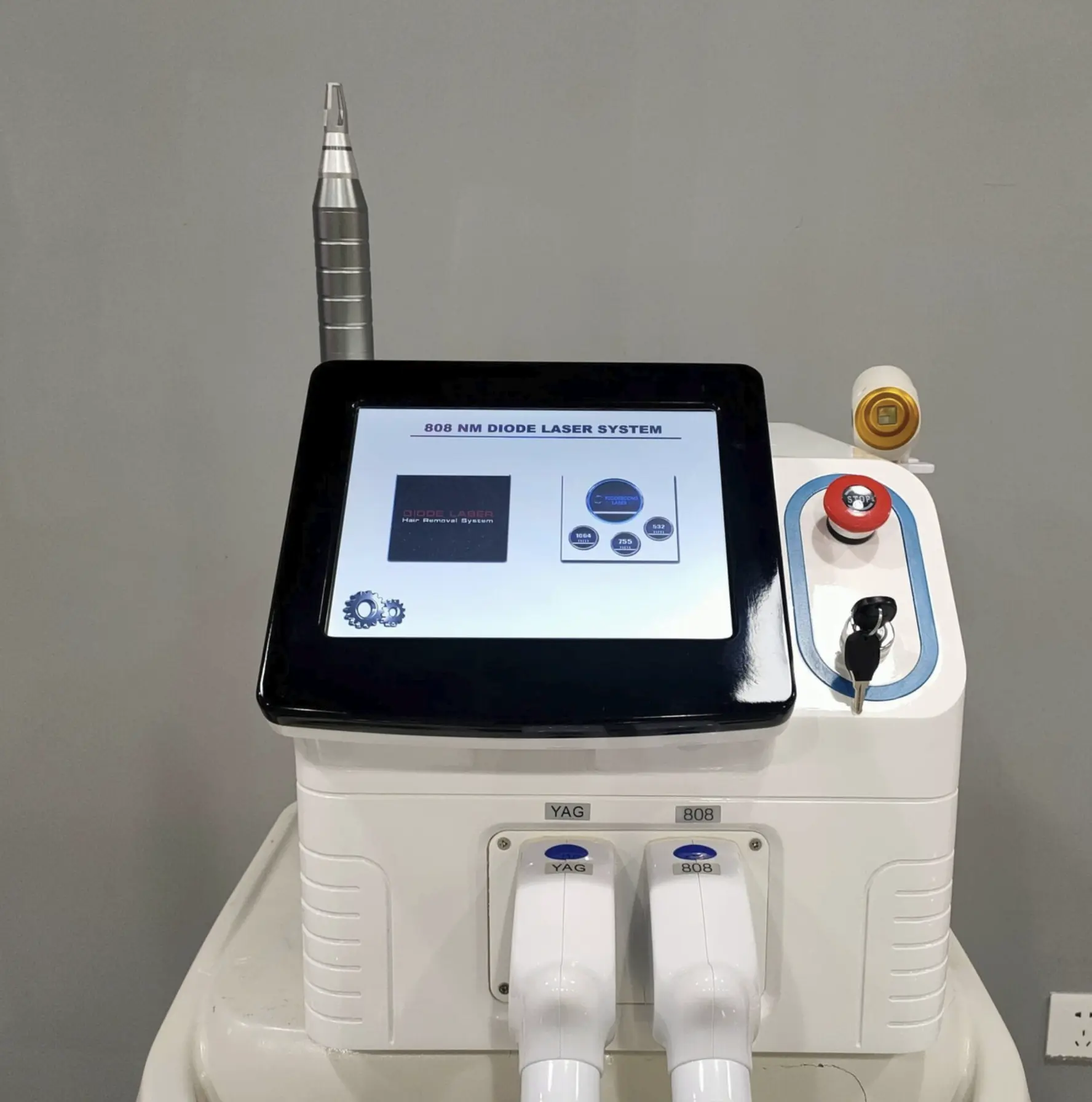
Choosing which laser technology you should learn — Diode, Alexandrite, or Nd: YAG – is probably the biggest decision you’ll make when it comes to breaking into the aesthetics field. As Olha Po, who works with multiple-wavelength modes built into dual systems (like Diode + Nd: directly with clients and students at Cosmetic Tattoo Melbourne, I always see how having a good understanding of different wavelengths gives practitioners a sense of confidence right from the word go. And if you’re looking to do a laser hair removal course in Melbourne, then this rundown should give you a better idea of which training will fit your skills and what your future clients will need.
The thing is, understanding the science behind each wavelength is what makes all the difference between giving a safe and effective treatment and just making it up as you go along – which, I gotta say, Melbourne clients can spot a mile off.
Contents
- 1 Before Choosing A Course Or Device
- 2 Understanding Diode Systems In Professional Practice
- 3 The Role Of Alexandrite In Achieving Visible Change
- 4 Why Nd: YAG Is Essential For Deeper Complexions
- 5 Quick Technology Comparison For Everyday Clinic Use
- 6 How Melbourne’s Climate Influences Laser Choice
- 7 A Clear Case Study
- 8 Building Your Skill Set With The Right Training Path
- 9 Before You Begin Training
- 10 FAQ
- 10.1 Why do some wavelengths get rid of hair so much faster than others?
- 10.2 Can I treat all my clients with just one machine?
- 10.3 Why do clients get such different comfort levels between technologies?
- 10.4 Will all hair types respond just the same to hair removal?
- 10.5 How do I know which training provider to go for?
Before Choosing A Course Or Device
Before you even think about choosing a course or splashing out on a device, you need to have a handle on how heat, melanin, and wavelength modes behave across different skin – hair types. Selective photothermolysis, thermal relaxation time, and cooling systems are way more important than the brand of the machine you end up with.
At Cosmetic Tattoo Melbourne, I’ve lost count of how many clients have come in after having done sessions elsewhere, but using the wrong wavelength. When the laser beam, pulse duration or fluence don’t match the client’s Fitzpatrick category or hair shaft depth, you end up with slow results or irritation, which is exactly the kind of thing that a proper laser hair removal course in Melbourne should teach you how to avoid.
Understanding Diode Systems In Professional Practice
Diode machines are super popular because they combine comfort with reliable results for a lot of skin types. With a wavelength of 810 nm, they target melanin pretty efficiently while using epidermal cooling to protect the surrounding tissue.
What Makes a Diode Useful
Diode systems are great for big areas and minimising side effects when used properly. They’re a good fit for medium- to coarse-hair and support safe treatments for Fitzpatrick skin types 1-4. Lots of platforms come with handy attachments, such as handpiece attachments, pre-initiated tips, and treatment calculators, all of which help new practitioners build their confidence.
When a Diode Isn’t Ideal
Fine hair colours, very light regrowth, or really light-skinned clients often do better with other wavelengths. And really, you can’t get away from understanding hair matrix depth when choosing the right tool.
The Role Of Alexandrite In Achieving Visible Change
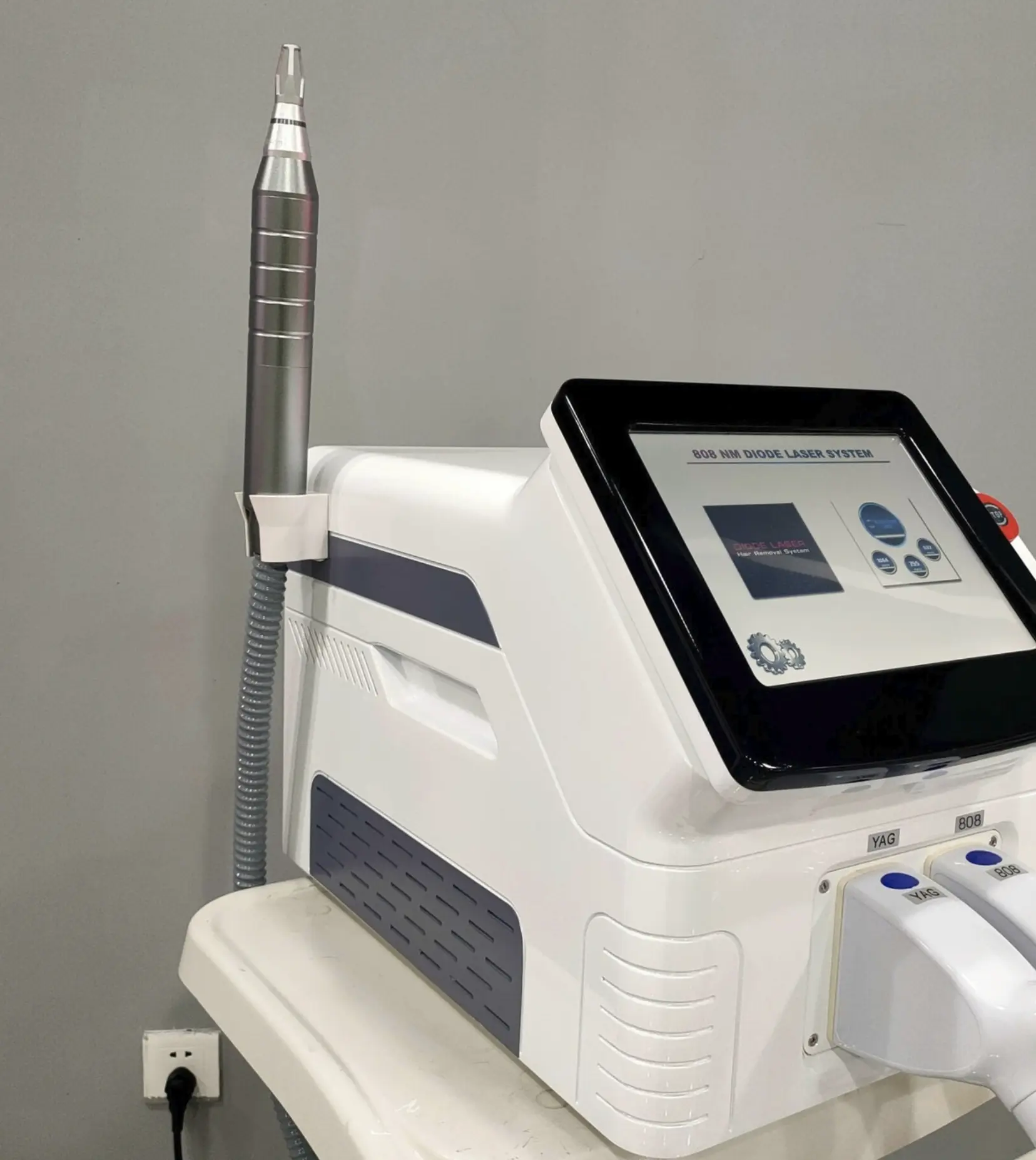
Stepping into the 755nm wavelength, Alexandrite‘s ability to latch onto melanin makes it a clear winner for anyone looking to get results fast. When you take the time to really understand its quirks, you’ll soon appreciate why careful management of pulse duration and cooling is essential.
Where Alexandrite Excels
For those with fair skin and fine hair, Alexandrite is the way to go – it grabs onto hair shafts with ease and is often the go-to option when Diode just isn’t getting the job done anymore.
When To Be Cautious
The thing is, it’s not suitable for people with darker skin, those who are tanned or those prone to pigmentation… and in a city like Melbourne, where the weather can go from sunny to cloudy in the blink of an eye, scheduling is everything.
Why Nd: YAG Is Essential For Deeper Complexions
At 1064nm, Nd: YAG is able to cut through the epidermal melanin and get to work on the tissue itself. This makes it the go-to option for safely treating Fitzpatrick 4-6, without risking nasty side effects like pigmentation.
What Makes Nd: YAG Valuable
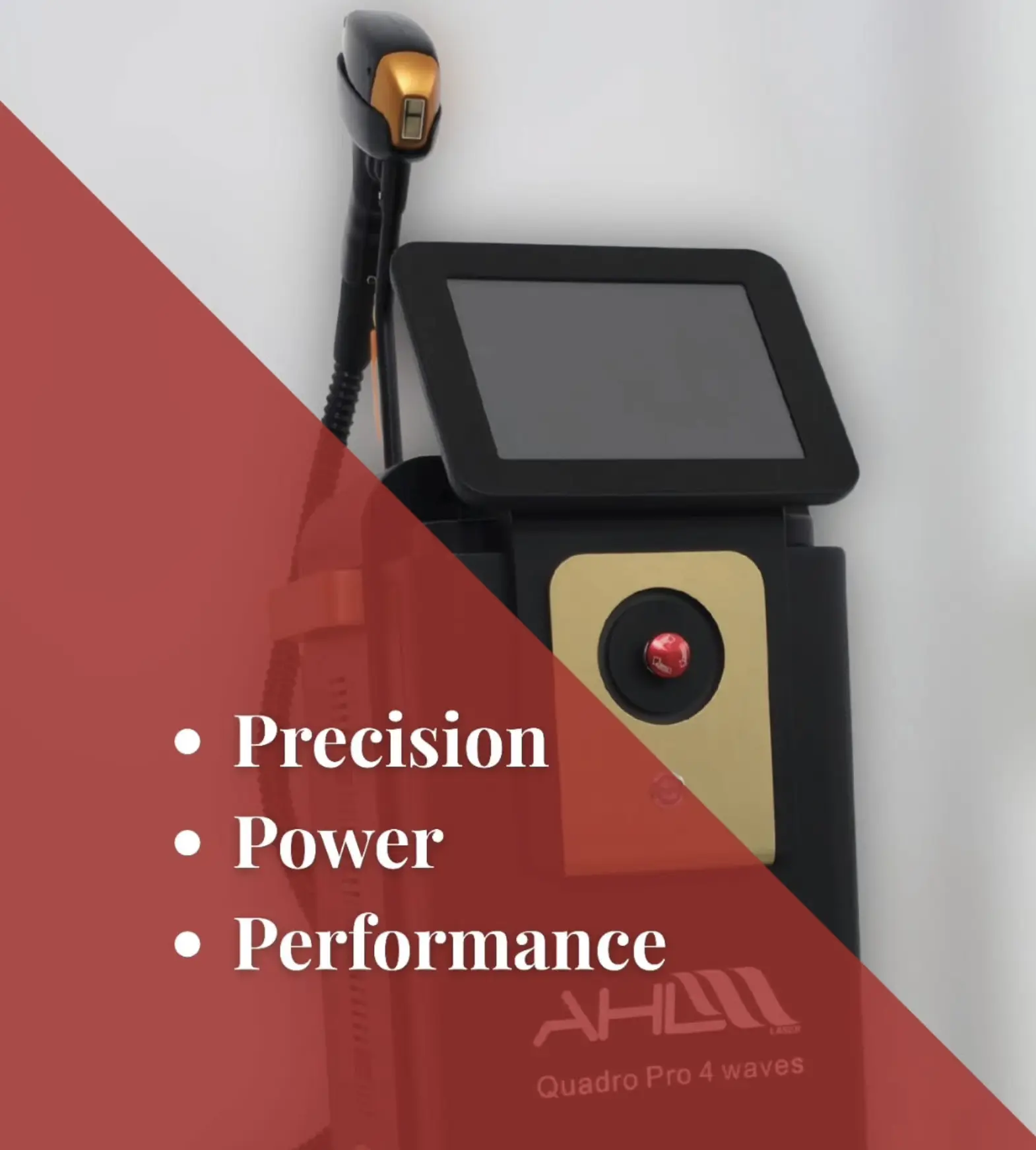
It’s the safest option for people with darker skin and thicker hair, and it’s a major talking point in advanced laser hair removal courses in Melbourne because it teaches practitioners how to strike the perfect balance between depth, cooling and fluence.
What You Should Expect When Using It
You can expect steady results, rather than a dramatic overnight change & you’ll need a pretty good understanding of how heat behaves in the skin. Clients sometimes get a bit more heat than they bargained for, too, so technique is everything.
Quick Technology Comparison For Everyday Clinic Use
| Feature | Diode (810 nm) | Alexandrite (755 nm) | Nd: YAG (1064 nm) |
| Suitable Clients | Fitzpatrick 1–4 | Fitzpatrick 1–3 | Fitzpatrick 4–6 |
| Hair Characteristics | Medium–coarse | Fine–medium | Coarse |
| Comfort Level | Higher | Moderate | Lower |
| Treatment Notes | Great for large areas | Fast change | Safest for dark skin |
| Common Adjustments | Cooling & pulse width | Cooling & fluence | Pulse duration |
Recent Australian reports show that more clinics are adopting dual-wavelength technology (often Diode + Nd: YAG) to meet the needs of diverse skin types, especially as demand grows for treatments like IPL hair reduction alongside laser-based solutions.
How Melbourne’s Climate Influences Laser Choice
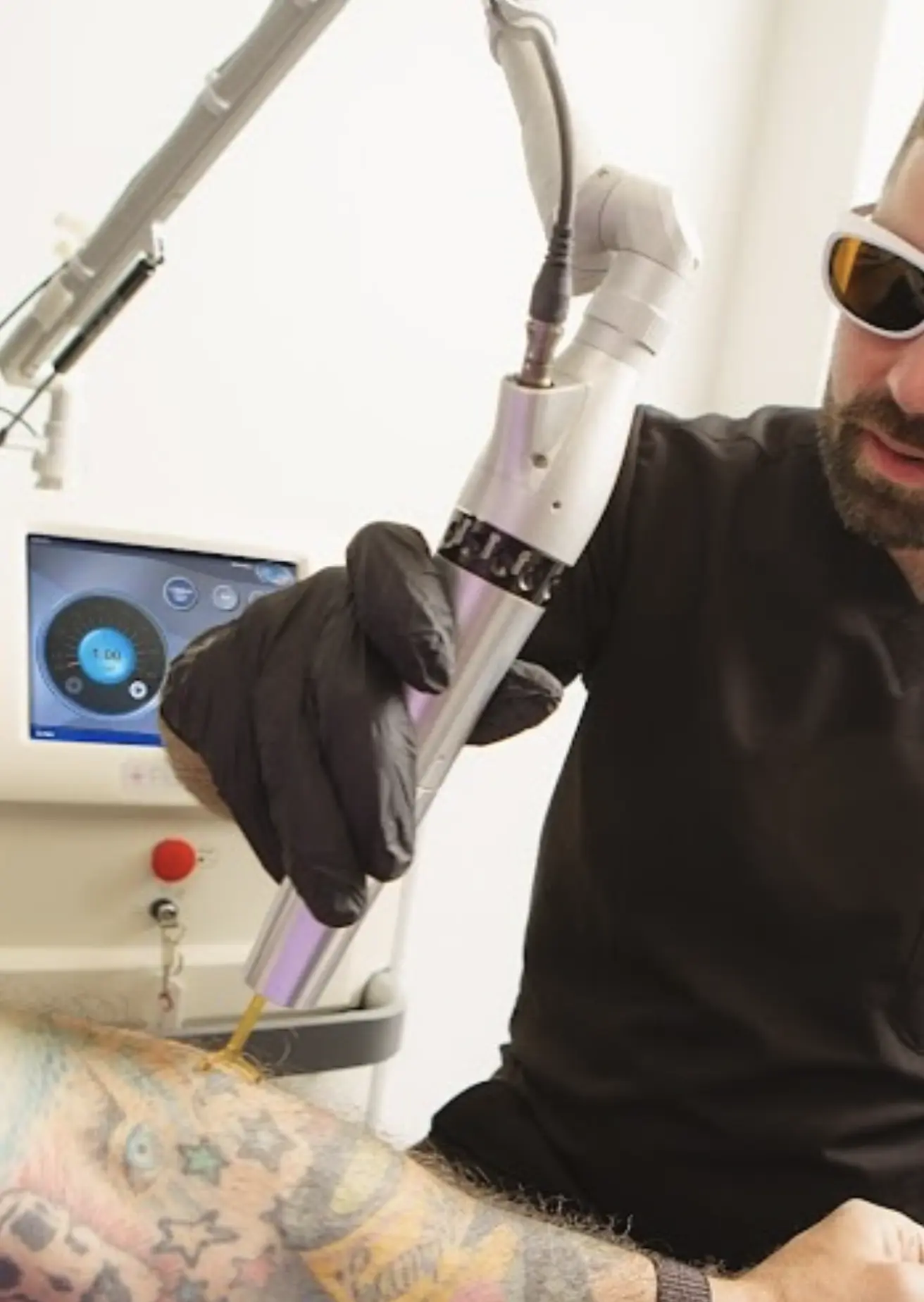
Melbourne’s climate, with its habit of flipping from heat to cold in what feels like an instant, creates some pretty unpredictable skin conditions and client needs. With more sun exposure comes more temporary contraindications and a growing reliance on tech like Diode and Nd: YAG to cope.
Seasonal Treatment Patterns
- Summer: Nd: YAG and Diode are go-tos for any client who’s recently got a tan going on.
- Winter: Alexandrite is the unsung hero for speedy hair reduction.
- Autumn/Spring: This’s when you need to become a bit of a skin-sensitivity detective and really understand how hair growth cycles work.
Spot-on laser hair removal training requires you to get to grips with the Fitzpatrick scale in double-quick time – something every good laser hair removal course in Melbourne should be drilling into their students.
A Clear Case Study
A woman came in with little to no progress on lower-leg hair removal after eight Diode sessions elsewhere. It turned out her hair’s fine, and she’s a true 2 on the Fitzpatrick scale – perfect skin for using Alexandrite. She swapped over to the new wavelength and saw significant results in just two sessions – wow!
That’s exactly why proper training needs to go way beyond just learning how to use a machine. At Cosmetic Tattoo Melbourne, we always focus on the logic behind the laser tech, not just telling you how to operate a particular device.
Building Your Skill Set With The Right Training Path
Here’s what most professionals do:
Starting With Diode
Great for building some serious fundamentals, working on larger areas and treating all sorts of different skin types safely.
Adding Alexandrite
This’s perfect for specialising in finer hair reduction for fair-skinned clients who want faster results.
Advancing To Nd: YAG
If you want to deal with deeper complexions, heat-sensitive skin or anyone who needs safe treatment techniques for a multicultural client base, this is the way to go.
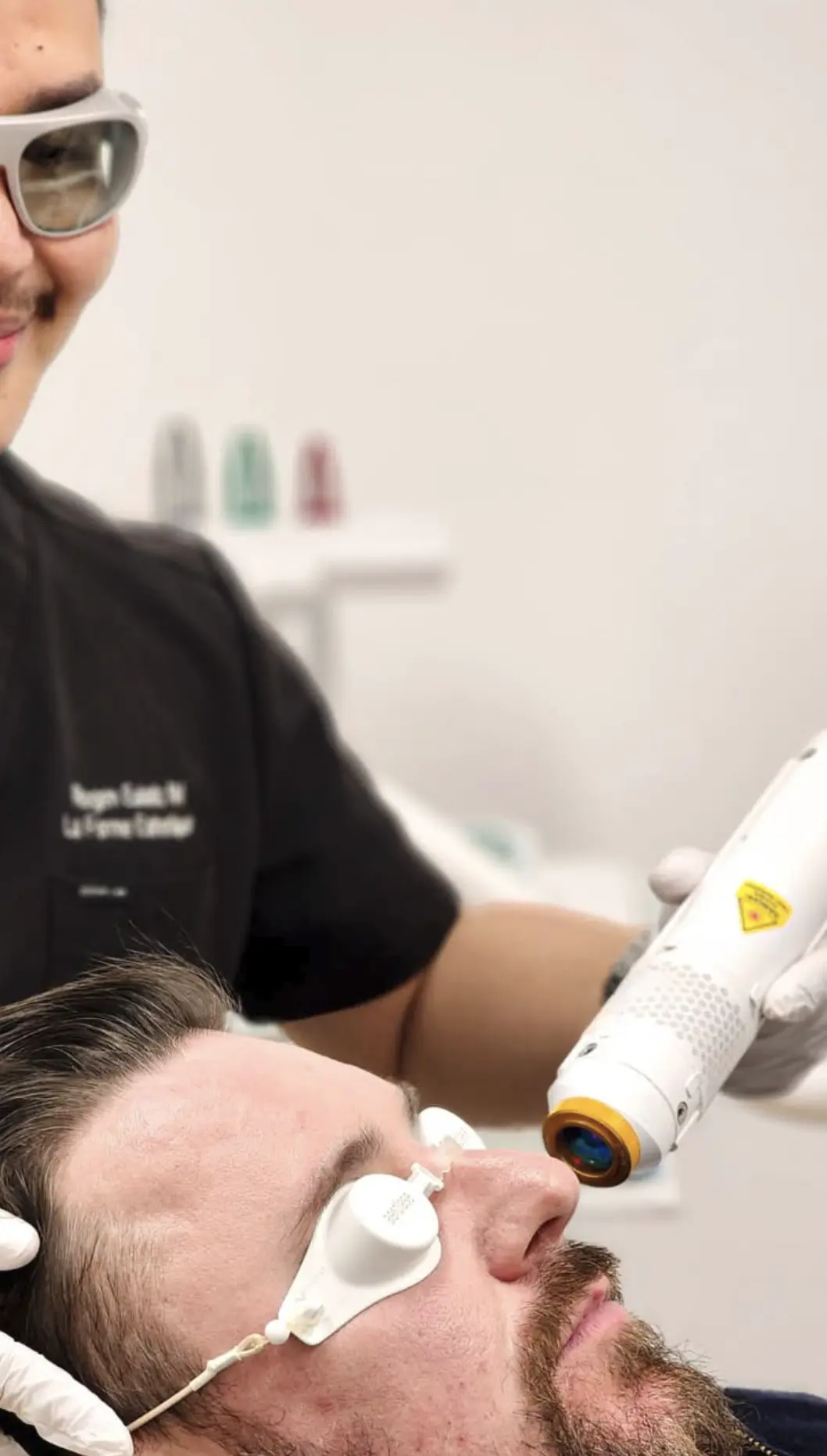
If you’re thinking about enrolling on a laser hair removal course in Melbourne, always look for one that teaches you how to think about laser technology – not just how to use a specific device.
Before You Begin Training
Deciding on which laser technology you should learn – Diode, Alexandrite or Nd: YAG – becomes a whole lot easier once you get your head around how all these various things intersect – hair types, skin categories, wavelength behaviour and all that jazz. Melbourne clients expect safe, informed treatments, and that starts with more clinics adopting dual-wavelength technology (often Diode + Nd: solid foundation training.
If you need some guidance on which training path to take or need help sussing out a laser hair removal course in Melbourne, don’t be afraid to reach out, especially if you’re expanding into complementary services like teeth whitening within your clinic. At Cosmetic Tattoo Melbourne, education and client safety are always at the top of the agenda.
FAQ
Why do some wavelengths get rid of hair so much faster than others?
Well, it’s because melanin absorbs different wavelengths at different rates – some tech creates a quicker heat reaction within the follicle.
Can I treat all my clients with just one machine?
Only if the machine has multiple-wavelength modes built in do dual systems (like Diode + Nd: this kind of scenario.
Why do clients get such different comfort levels between technologies?
It’s all down to cooling systems, penetration depth and pulse profiles – all these different things make a big difference to how the skin feels things.
Will all hair types respond just the same to hair removal?
No way – if you’ve got fine hair, grey tones or hair that’s just really light in colour, you’ve got to be specific with your wavelength and energy choices.
How do I know which training provider to go for?
Look for courses that cover the basics – anatomy and physiology, clinical indications, client safety, skin assessments and correct wavelength selection – that’s the kind of knowledge every good practitioner needs to get started.